2026 top picks

Best Drones for Beginners.

Specific recommendations by category. Honest specs, no fake star ratings, no countdown timers. Pick the category that fits how you want to fly, then read the pick.

Two drones for comparison
Drone Starter Guide participates in the Amazon Associates program. When you click a product link and make a purchase, we earn a small commission at no extra cost to you. Recommendations are based on publicly available specifications and community reception — we disclose when we have not personally tested a product. Full disclosure.

At a glance

Three categories, three top picks.

The right drone depends on why you want to fly. Read the full pick for your category below.

Most beginners

DJI Mini 4K

Camera/GPS · under 249g · 4K · GPS hover

Social clips & travel

DJI Neo

Selfie/follow · 135g · palm takeoff · no controller needed

More camera budget

DJI Flip

Camera/GPS · under 249g · 4K/60fps HDR · 48MP

Camera / GPS path — top pick

Best for most beginners.

Selfie / follow path — top pick

Best for quick clips and travel.

Best for Clips

DJI Neo

Best for: Social content, travel, casual flying
135g 4K video Palm takeoff No controller needed AI subject tracking QuickShots Built-in prop guard

The DJI Neo is DJI’s smallest and lightest drone, weighing just 135 grams. It takes off from your palm without a controller and uses AI subject tracking to follow you automatically. For beginners who mainly want quick social clips, travel footage, or hands-free shots without a traditional controller, the Neo removes more friction than any other drone in the lineup. No remote required, built-in prop guards for safety, and a genuinely simple launch sequence.

The trade-offs are real: around 18 minutes of flight time, limited range compared to GPS drones, and single-axis stabilization means footage can be choppier in wind than the Mini 4K. A controller (sold separately or in combos) significantly improves the experience if you plan to fly seriously. If you mainly want easy clips and simplicity, the Neo earns its place.

Multiple Neo bundles available. Check Amazon for current options and pricing. We earn a small commission on purchases.
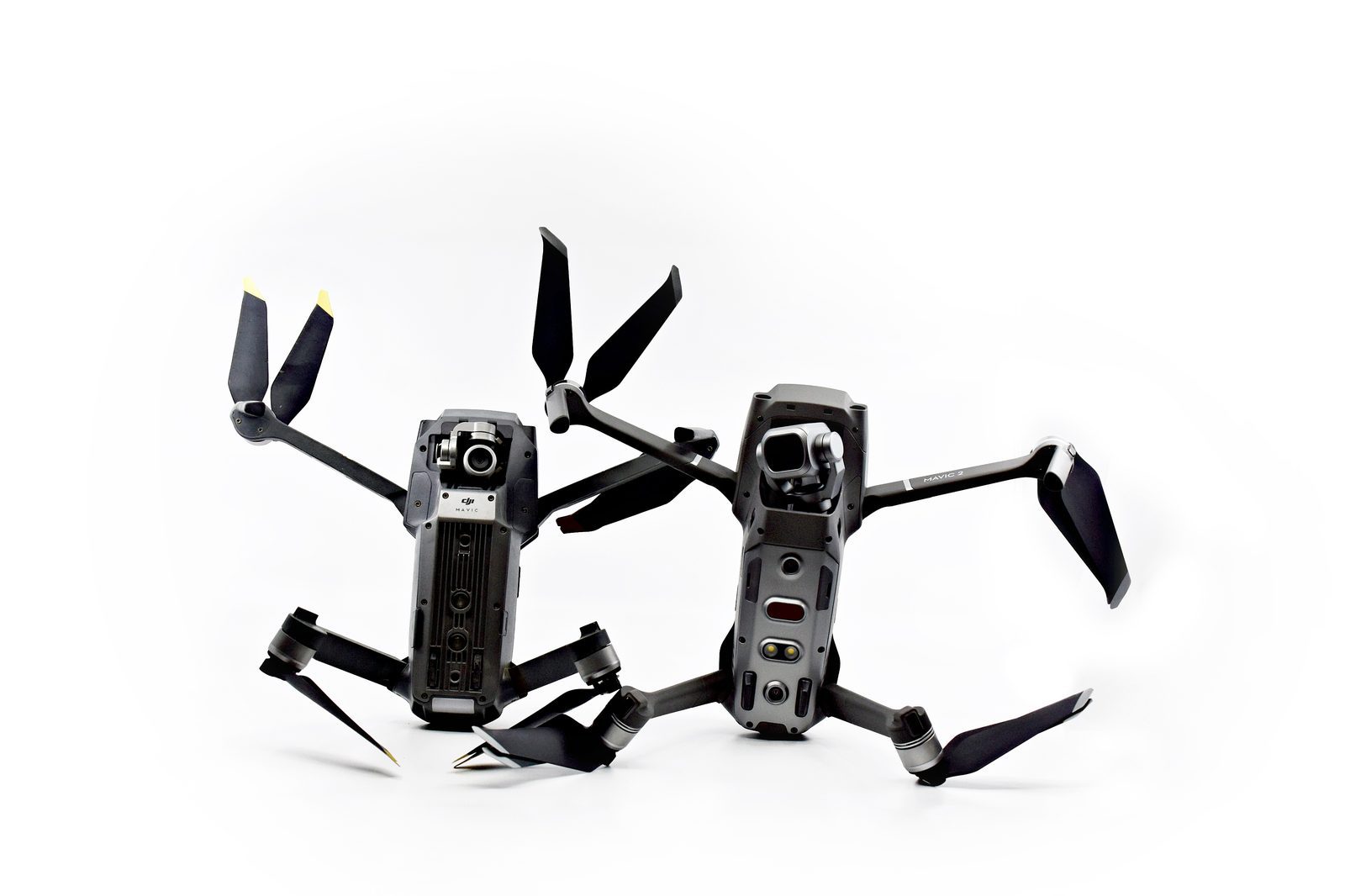
Small drone being flown outdoors

Step-up pick — more camera

More camera for a bigger budget.

Step-Up Pick

DJI Flip

Best for: Creators who want the best camera without the Mini 4 Pro price
Under 249g 4K/60fps HDR 48MP stills 1/1.3" sensor 3-axis gimbal 31-min flight 13km range Palm takeoff Built-in prop guards

Released in January 2025, the DJI Flip bridges the gap between the Mini 4K and Mini 4 Pro. Its camera — a 1/1.3-inch sensor capable of 4K/60fps HDR video and 48MP stills — is nearly identical to the much pricier Mini 4 Pro. It is under 249 grams, has a palm takeoff and landing option, built-in prop guards that allow indoor flying, and a 13km video transmission range. Subject tracking keeps you centered in the frame automatically.

If the Mini 4K camera is not enough for your creative goals, the Flip is the most cost-effective way to get Mini 4 Pro camera quality. The trade-off is size: it is bulkier when folded than the Mini series. No obstacle avoidance at this price point either.

Available in RC-N3 and RC 2 controller variants, and a Fly More Combo. Check Amazon for current options and pricing.

Drone in flight against open sky

Also worth considering

Other strong options by use case.

Premium

DJI Mini 4 Pro

Omnidirectional obstacle avoidance, 4K/100fps slow motion, ActiveTrack, and 34-min flight time make this the top-spec sub-249g drone. Significantly more expensive than the Flip for features most beginners will not need in month one.

Check on Amazon →

Check Amazon for current pricing and bundle options.

FPV Path

DJI Avata 2

The safest FPV entry point for beginners. Built-in prop guards, 4K wide-angle camera, and DJI’s flight safety features make it more approachable than traditional FPV kits. Pairs with RC Motion 3 or goggles. Note: over 249g, requires FAA registration.

Check on Amazon →

Check Amazon for current pricing. Fly More Combo includes goggles and accessories.

Entry Budget

DJI Neo — base model

The controller-free Neo at its base configuration is the lowest-cost entry point with real DJI build quality. Good for absolute first-timers or as a gift. Add the RC-N3 controller later for significantly better control and range.

Check on Amazon →

Controller-free version is the lowest-cost entry. Check Amazon for current options.

Side by side

Quick comparison of top picks.

Model Weight Camera Flight time Range Controller Best for
DJI Mini 4K 249g 4K/30fps, 12MP, 3-axis gimbal 31 min 10km RC-N1 included Most beginners
DJI Neo 135g 4K/30fps, single-axis stabilization 18 min Phone range Optional (sold separately) Quick clips, travel
DJI Flip 249g 4K/60fps HDR, 48MP, 3-axis gimbal 31 min 13km RC-N3 or RC 2 Creators, step-up
DJI Mini 4 Pro 249g 4K/100fps, 48MP, 3-axis gimbal 34 min 12.4 miles RC-N3 or RC 2 Premium features
DJI Avata 2 377g 4K/60fps, 155° wide angle 23 min 13km RC Motion 3 / goggles FPV beginners

Specifications sourced from manufacturer documentation and may change. Always verify with the manufacturer before purchasing. Prices not shown because they change frequently — check Amazon for current pricing.

How to decide

Three questions to find your pick.

1

Do you mainly want aerial footage or quick clips?

If you want versatile outdoor flying, aerial photos, and learning real drone controls — go Camera/GPS (Mini 4K or Flip). If you mainly want easy social content and portability with minimal setup — go selfie/follow (Neo). If you want the immersive flying experience itself — go FPV (Avata 2, but expect a steeper learning curve).

2

What is your realistic budget for the first purchase?

Base Neo for the lowest entry. Mini 4K for the most versatile budget option. Flip for more camera at a mid-range price. Mini 4 Pro for premium features you will actually use. Be honest: buy for your current skill level, not where you plan to be in a year. You can always upgrade.

3

Does drone weight matter for your situation?

Under 249g means no FAA registration for most recreational use in the U.S. (under current rules). The Mini 4K, Neo, and Flip are all under 249g. The Avata 2 is 377g and does require registration. Always verify current FAA requirements before flying, as rules can change.

Before you buy

Know the rules first.

Before flying any drone in the U.S., review TRUST requirements, registration thresholds, airspace rules, and altitude limits. Takes about an hour the first time. Worth doing before the drone arrives.

Review the rules