First flight prep

Your beginner first-flight checklist.

Use this after you have chosen your drone type and understand the basic rules. A calm, prepared first flight teaches more than an ambitious, rushed one.

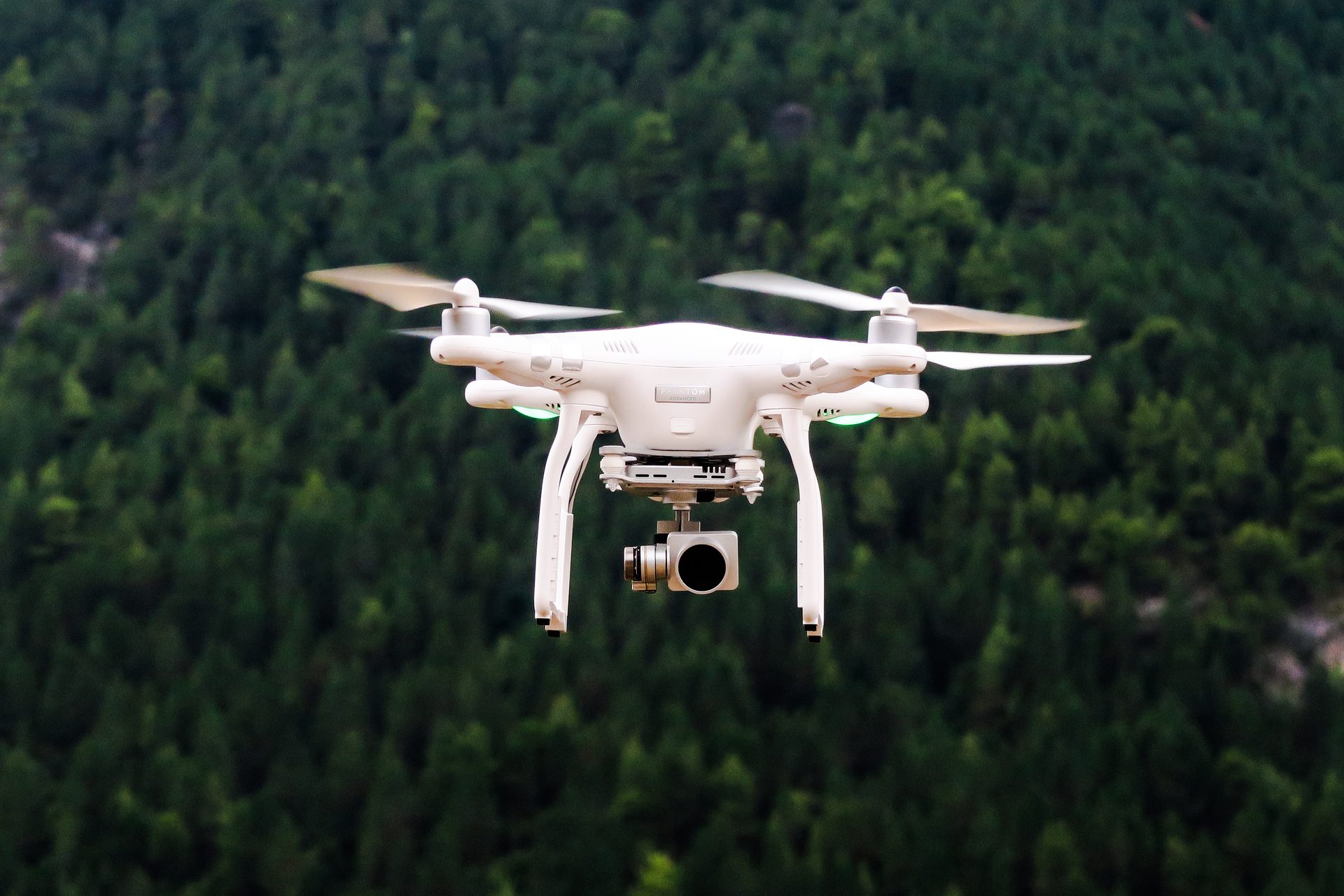
White drone in flight

Five stages

Go through these in order.

Each stage catches problems that would otherwise show up mid-flight. The checklist takes about ten minutes the first time and less than five after that.

1

Before leaving home

  • Charge all drone batteries fully and check that the controller battery is charged.
  • Charge your phone or tablet if it is required for the drone app or live view.
  • Check for firmware or app updates before going out — do not update in the field.
  • Pack spare propellers, the charging cable, and your carry case.
  • Confirm you have TRUST completion proof and FAA registration label if required.
  • Check weather: look for wind speed, rain, fog, and visibility at your intended location.
2

When you arrive at the location

  • Open the FAA B4UFLY app and confirm airspace class at this exact location before unboxing.
  • Look for overhead hazards: power lines, trees, poles, antennas, and fencing.
  • Identify nearby hazards: roads with traffic, bodies of water, people, and animals.
  • Note wind direction and speed from ground-level observation, not just the forecast.
  • Choose a clear, flat takeoff spot with a clean sightline in the direction you plan to fly.
  • Check that you can maintain visual line of sight throughout your planned flight path.
3

Before takeoff

  • Inspect propellers for cracks, nicks, or loose fit before every session.
  • Confirm the battery is fully seated and locked in the drone.
  • Power on the controller first, then the drone — check your manual for the correct sequence.
  • Wait for GPS lock if your drone uses GPS hover — do not rush this step.
  • Confirm return-to-home point is set correctly if your drone supports it.
  • Set the drone to beginner or novice mode for your first sessions.
  • Do a brief control check at low hover before going higher or further.
4

During your first flights

  • Start with slow, small movements: gentle forward, backward, left, right before anything complex.
  • Keep the drone close and at low altitude for the first few batteries.
  • Always keep the drone in front of you and oriented the same direction to start.
  • Watch the battery level — land with at least 20 to 25 percent remaining to avoid sudden descents.
  • If orientation becomes confusing, hover in place, take a breath, then make small corrections.
  • Land and re-check propellers if you hear any unusual vibration or rattling.
5

After the session

  • Let batteries cool before charging — do not charge a warm LiPo battery immediately after flight.
  • Inspect propellers for new damage after every session.
  • Wipe down the drone body and camera lens if needed.
  • Store batteries at a partial charge (around 50 to 60 percent) if you will not fly again within a few days.
  • Review any video or photos from the session to learn what needs improvement next time.
Quick reminder

Rules before launch

This checklist assumes you have already reviewed basic airspace rules, TRUST requirements, and registration before your first session. Do not skip that step.

Check the rules overview
Still buying?

Choose your drone type first

If you have not chosen a drone yet, start with the comparison page. The right drone type is more important than the right accessories at this stage.

Compare drone types
Gear prep

What to bring

The accessories guide covers what to pack for a first session, including batteries, cases, propellers, and what to verify for compatibility before buying.

See the starter kit guide

Common questions

Something still unclear?

The FAQ covers TRUST, registration, airspace basics, battery life expectations, and the most common beginner mistakes.

Read the FAQ